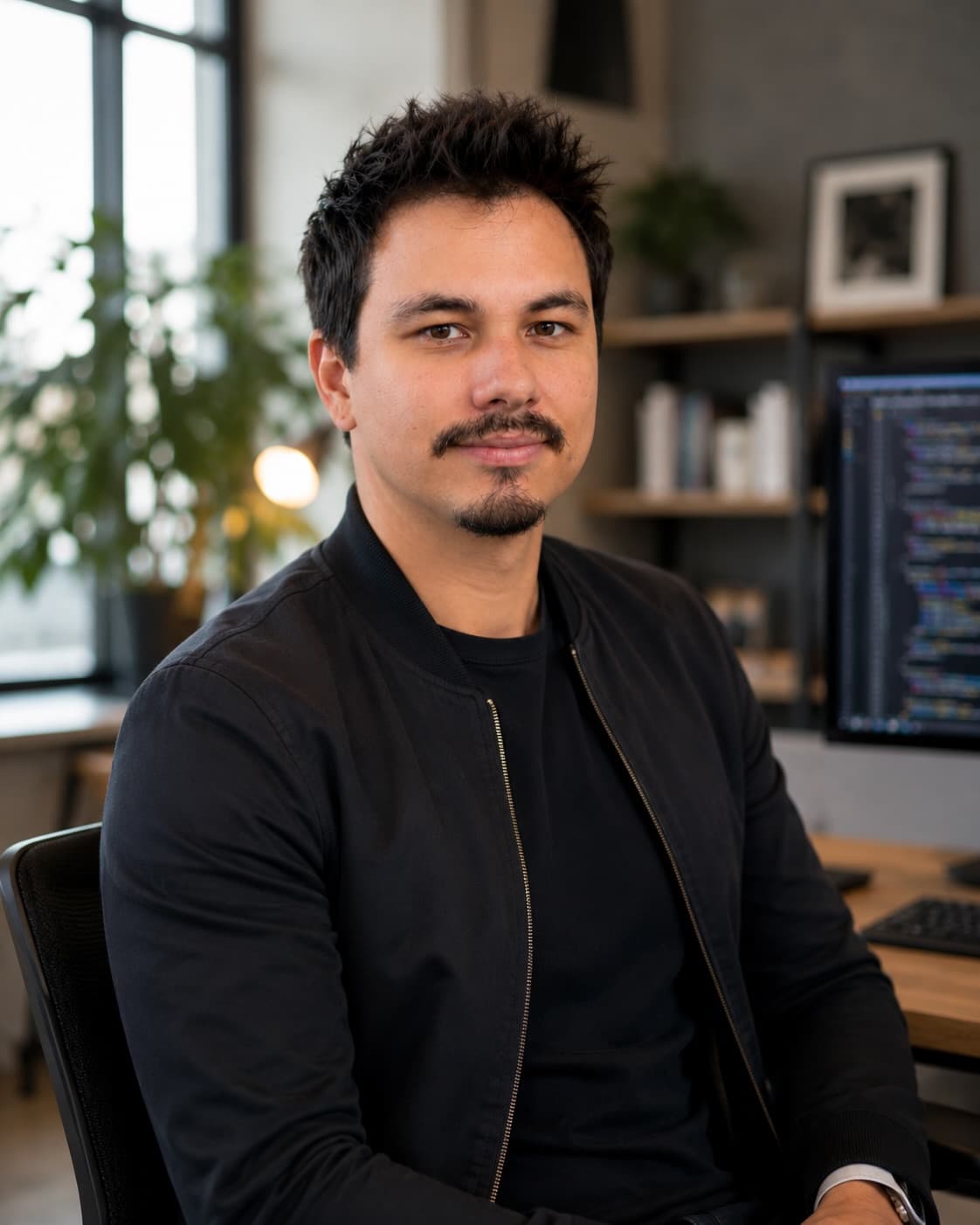
Freeman LaFleur
Runs the technical side of every engagement: platform setup, Claude Code and Codex onboarding, and the skills, automations and internal tools a team leaves with.
- Platform onboarding
- Coding-agent rollouts
- Skills and automations
Deployment Labs is a small team that is part consultant, part systems designer, part trainer, part implementation partner. We help companies onboard teams to OpenAI, Claude and Codex, design the internal workflows, build the skills and plugins, and leave behind an AI operating system the team actually runs.
The AI labs found that selling access to a model isn't enough. Someone has to sit with a customer's work until the technology changes it, so they hire engineers to do exactly that, often called forward deployed engineers.
That's our job, for companies that don't have one on staff. An AI deployment engineer audits how a team really works, finds the step that holds it back, trains people on their own tasks, builds what's worth building, and leaves every piece with an owner. Our guide to AI deployment explains the approach, and our services show how an engagement runs.
Most teams have access to powerful AI tools. Very few have deployed them into the way work gets done. AI is only valuable once it is part of the daily work.
We don't just build workflows. We train your team to use, maintain, and improve them, because a workflow nobody owns is a demo with extra steps.
OpenAI, Claude, Claude Code, Codex, Cursor. We help teams understand which platform to use, where it fits, and how to build around it as the market moves.
The outcome of an engagement is reusable infrastructure: workflows, skills, plugins, documentation, standards, and habits. Not a slide deck.
Before Deployment Labs, we were deploying AI into a business we run day to day. Not a pilot. The front desk, the documentation, the follow-up, the reporting, and the people who had never opened a chatbot and did not want to.
The tools that stuck had three things in common: a named owner, a place to live inside the work, and a review step people understood. Everything without those went back to being someone's chat history within a month.
That is the playbook. Platform onboarding that starts with the tools you already pay for, the first workflow chosen for volume rather than glamour, governance written next to the work instead of in a document nobody opens, and two days in the room rather than a webinar.
One runs the engineering, one runs the business and the room. On the two-day on-site you get both, plus the engineers who help your team build.

Runs the technical side of every engagement: platform setup, Claude Code and Codex onboarding, and the skills, automations and internal tools a team leaves with.

Runs the business and the client side: scoping, discovery calls, the two-day training program, and making sure what gets built is still in use a quarter after we leave.
The audit and workshop happen on site, with us next to your team the whole time.
Nothing ships without a named person who keeps it running after we leave.
Review depth is tiered by risk, written next to the workflow, so people know which tier they are in.
If the honest answer is "you don't need us for this", that is the answer you get.
The default for most non-technical teams. Projects, custom GPTs, admin controls.
Long documents, careful writing, and Projects for shared context across a team.
The coding agent where most of our engineering onboarding happens.
OpenAI's coding agent. Paired with Claude Code depending on the stack.
The editor teams already have open. We wire it into review and repo conventions.
For the automations and internal tools that outlive the chat window.
Almost nobody in this category publishes numbers. Here is what we can say before a call, and what has to wait for one.
An audit of your AI use, bottlenecks and goals with both co-founders, then a detailed AI framework plan for your whole team. Credited toward any engagement booked within 60 days.
About the consultationA one-on-one audit with every team member, then a workshop with custom tools and department-specific training. Starts with the consultation, and its fee goes toward it.
About the trainingCustom tools, skills and automations built for your team when improving the work isn't enough on its own.
Book a discovery callOn-site training starts with a consultation, and its fee goes toward the two days. Not sure yet? The free discovery call is a short chat about your company and the ways we can help.